HomeCybersecurity Healthcare Cybersecurity Explained: How Hospitals Can Stay Protected
Healthcare Cybersecurity Explained: How Hospitals Can Stay Protected
Healthcare Cybersecurity — Scared of data leakage? As a healthcare professional, understanding the intricacies of cybersecurity is crucial to protecting both hospital operations and patient privacy. Explore the strategies that fortify your organization against cyber threats, including the innovative use of Smartkeeper port locks, which serve as a formidable barrier to unauthorized access.
With the increasing volume of data being digitized, healthcare cybersecurity has become crucial for protecting such data from cyberattacks. This involves implementing robust data security protocols to ensure that patient records, medical histories, and other sensitive information remain confidential and out of the hands of cyber criminals.
Importance of Robust Cybersecurity Measures
Implementing comprehensive cybersecurity measures is essential not only for protecting sensitive data but also for maintaining trust.
Patients entrust healthcare providers with their most personal information, and any breach can significantly undermine this trust. Moreover, effective cybersecurity protocols help healthcare institutions comply with legal and regulatory frameworks.
By prioritizing cybersecurity, healthcare facilities can protect their reputation and ensure the safety and privacy of their patients’ information, thus fostering a trustworthy healthcare environment.
The Importance of Cybersecurity in Hospitals and Patient Care
Safeguarding Patient Safety and Privacy
Ensuring Compliance and Maintaining Trust
Preventing Service Disruption and Treatment Delays
Avoid ransomware attacks
Common Threats: How Data Breaches and Data Leaks Occur in Healthcare
The Scale of Healthcare Data Breaches
In 2023, a staggering 725 data breaches in the healthcare sector exposed over 133 million records, underlining the immense scale and risk associated with these incidents.
This follows a previous trend from 2019, where 505 breaches resulted in the exposure of 41.2 million records.These numbers highlight not only the increasing frequency of such breaches but also the urgent need for enhanced cybersecurity measures in the healthcare industry.
Causes of Healthcare Data Breaches
Healthcare data breaches are often the result of various security incidents, many of which are preventable with the right protocols.
A significant threat comes from credential-stealing malware, which targets login details to gain unauthorized access to sensitive systems and gain access control. Once hackers obtain these credentials, they can navigate through systems, extract patients’ personal information, and even disrupt healthcare operations.
The Impact on Hospitals and Patients
Data breaches have far-reaching consequences, affecting both hospitals and patients. For healthcare organizations’ providers, they can lead to financial losses, reputational damage, and regulatory penalties.
Patients, on the other hand, face the risk of identity theft and the loss of privacy related to their medical records. This underscores the vital need for robust cybersecurity frameworks to safeguard critical healthcare data.
Implementing Effective Strategies to Prevent Data Breaches
Understanding the Role of Smartkeeper Port Locks
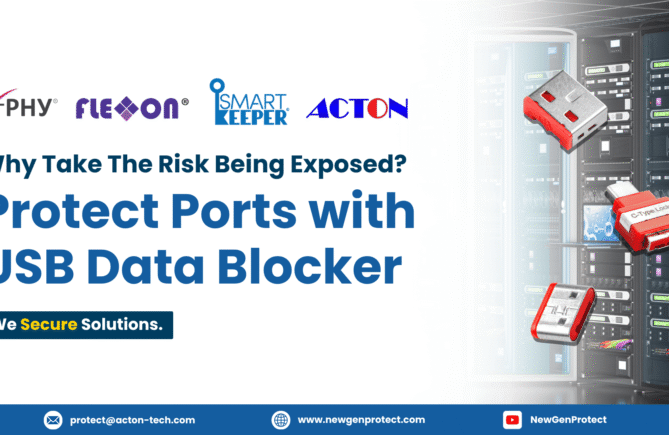
Regular updates and smartkeeper port locks, these small yet powerful devices are designed to prevent unauthorized access to hospital networks by securing the physical ports on computers and servers.
Smartkeeper port locks are compact and easy to use, requiring minimal technical expertise to install. Their design ensures that only authorized personnel can unlock them, thereby reducing the risk of internal and external threats. The locks are durable and cost-effective, making them an attractive option for healthcare institutions seeking robust cybersecurity measures without the burden of excessive costs.
Benefits of Using Smartkeeper Port Locks
The benefits of Smartkeeper port locks extend beyond their ease of use and affordability. These tools offer ready-to-go data protection, instantly enhancing a hospital’s cybersecurity posture. These locks physically block unused ports to prevent data leaks and breaches caused by unauthorized devices.
Furthermore, implementing such tangible cybersecurity measures can boost confidence among patients and staff, knowing that their sensitive information is better protected. Smartkeeper port locks serve as a practical component of a comprehensive cybersecurity strategy, working in tandem with software solutions to safeguard against various cyber threats.
Call to action: Contact Protect@Acton-Tech.com
As you navigate the complexities of safeguarding sensitive patient data against cyber attacks, it’s crucial to partner with experts who understand the nuances of healthcare security.




One comment on “Healthcare Cybersecurity Explained: How Hospitals Can Stay Protected”