Physical Cybersecurity Trend In Philippines: A Threat You Can Touch
(Physical Cybersecurity Trend in Philippines)
Most Filipinos think of cybersecurity as passwords, antivirus software, and suspicious links. But some of the easiest ways into your data are physical: an open USB port, a borrowed charging cable, or an unattended laptop. As the Philippines goes digital faster than ever, this physical layer is the one most people overlook.
The Awareness Gap: How Filipinos See Cybersecurity
Filipinos are highly connected, yet awareness of cyber risk is uneven. Here’s what they have found on the survey for Cybersecurity:
Only 1 in 3 is aware. Out of every three Filipinos aged 10 and over, only one knew about cybersecurity or data privacy risks. That leaves about two in three people unaware of how their data can be exposed.
Most users have already been hit. About six in every ten Filipinos who use phones, computers, or other devices faced at least one cybersecurity incident in 2024. For many, the risk is already a real experience, not just a possibility.
Awareness depends on location. In Metro Manila, more than half of people are aware of cyber risks. People in cities are about twice as likely to be aware as those in rural areas. Awareness can be limited depending on where they are.
Education makes a big difference. The less knowledge people have, the less likely they are to spot cyber risks, leaving many Filipinos exposed, and unaware of the digital situation.
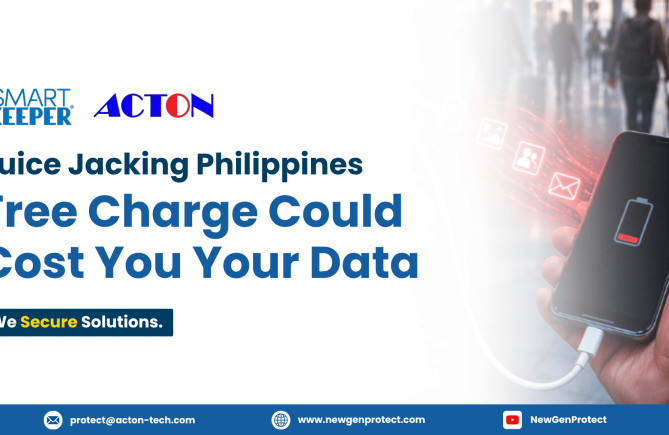
Without Physical Cybersecurity, one open port or unchecked cable is all an attacker needs. In 2025, USB malware was used in an espionage campaign against a Southeast Asian government organization, and the Cybercrime Investigation and Coordinating Center (CICC) warned of malicious cables that can let hackers control your phone. With six in ten Filipino device users already hit by an incident, leaving ports unprotected is a risk no one can afford.
Why Physical Cybersecurity Matters Now
Threats in the country are rising fast, and many attacks still depend on physical access:
Data breaches are climbing. In 2025, the Philippines recorded 266 data breach incidents, 34,839 phishing attacks, and 22 ransomware attacks.
Digital adoption is outpacing security. Rapid digital adoption continues to outpace security maturity across government, businesses, and critical services.
USB remains a doorway. In industrial environments, threats designed to spread over USB rose to 52% from 37%.
Firewalls can’t stop a plug. Software can detect threats, but it can’t physically stop a device from being plugged in.
4 Physical Cybersecurity Trends for Businesses & Individuals
Businesses and individuals face the same open doors, such as ports, cables, and devices, but the trends are different.
Trends
Businesses
Individuals
Rising attack route
More threats now spread in USB drives
Ordinary-looking cables can let hackers control your phone
Where risk starts
Most data loss comes from careless staff, not hackers
Free USB ports in airports and malls can spread malware
Who’s being targeted
Any that holds customer data is a target, from enterprises to online shops
Stolen personal data is used for fake jobs, scams, and loans
How protection is shifting
Physical protection is now part of data privacy rules
Newer phones now block many rigged-charger attacks
Threats are moving closer to the devices we touch every day, making physical protection as urgent as software security.
As the Philippines goes digital, the risk is moving closer to the devices Filipinos use every day: open USB ports, unchecked cables, and unattended laptops. Most are unaware or focused on their daily lives, hence security is a must. Protection must start at the hardware level, not just the network. As an authorized distributor, NewGenProtect delivers genuine SmartKeeper, X-PHY, and Flexxonsolutions, backed by expert deployment guidance and local support across Southeast Asia. From office server racks to personal phones on public chargers, this physical-first approach blocks unauthorized access, guards sensitive data, and closes the gaps software alone can’t reach. With NewGenProtect, Philippine businesses and users get physical cybersecurity that is authentic, dependable, and built to last.
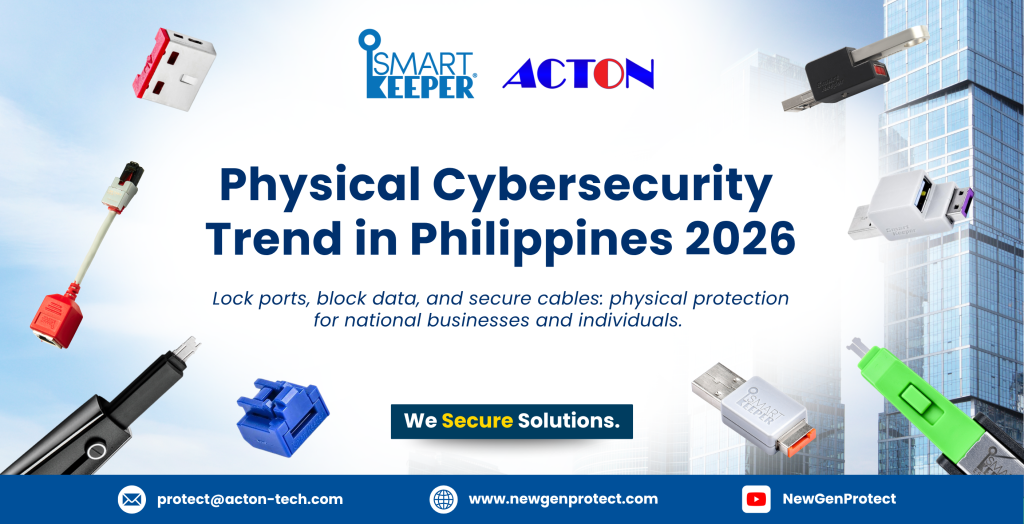
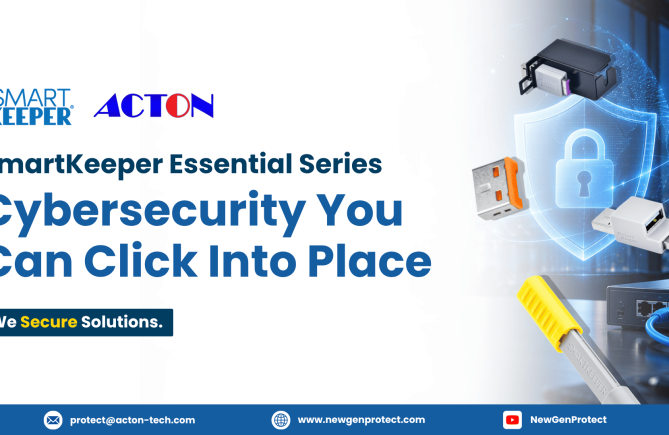
It protects the hardware doorways to your data, such as USB ports, network ports, cables, and devices. It complements software security rather than replacing it.