Previous post
Hardware at Risk: Why Physical Hardware Security Is Critical
Data Breach Risks: Lessons from the Jollibee Data Breach
- Post date: April 5, 2025
- 7444 Views
- 1 Comment
April 5, 2025
MANILA, Philippines — The iconic Filipino fast-food chain “Jollibee” faced significant challenges in early 2024. It show even industry giants can be vulnerable to economic pressures. From zero-trust identity access to choosing better tech partners, there are lessons here for everyone.
According to the latest Statista’s report, In early 2023, a major data breach exposed over a million police records and 800GB of personal data from a Philippine law enforcement agency. This was just one of many cyber incidents in recent years as the country adopts more digital services.
The Pandemic’s Impact
During COVID-19, increased online shopping and digital transactions led to more cyber threats. Hackers exploited weak cybersecurity and poor cyber hygiene, resulting in data breaches, scams, and phishing attacks. In 2022 alone, the Philippines saw 1.83 million phishing attempts, along with rising crypto scams. (Statista, 2023)
Businesses at Risk
Companies moving online also became targets. Ransomware attacks cost businesses an average of $1.34 million in 2021, with data theft being a major concern. Though incidents have dropped since the pandemic, cyber threats remain a serious challenge (Statista, 2023).
Jollibee Data Breach: 11M Customers Affected
Jollibee Group reported a major data breach in June, potentially exposing personal data of 11 million customers—the largest in Philippine history. The leak included birthdates and senior citizen IDs across its brands (Chowking, Mang Inasal, Burger King).
A username “sp1d3r” claimed to have 32 million customer records, including names, addresses, and contact details. Jollibee is now investigating with authorities (Philstar, June 2024)
For starters, it’s time to embrace a zero-trust approach to identity access. Think of it as a bouncer for your data – everyone needs to show ID, no exceptions to avoid possible data breach risks.
After all, you’re only as secure as your weakest link.
Ever wondered how cyber criminals manage to infiltrate seemingly secure systems? Let’s break down the anatomy of a data breach to better understand the risks we’re facing.
Data breach risks include, hackers that often exploit weak digital infrastructure, even physically. These weak spots can range from outdated software or hardware to poorly configured data security.
Once inside, cyber criminals move stealthily through the network, searching for valuable data. They might use sophisticated malware or social engineering tactics to gain higher-level access privileges. This phase can last for weeks or even months, undetected by traditional security measures.
Hackers begin extracting sensitive information like personal information, often in small chunks to avoid detection. Hackers likely stole Jollibee customer data bit by bit, showing why real-time monitoring is crucial.
Financial Information? The impact of a data breach extends far beyond the immediate financial loss. You’re looking at potential legal outcome, damaged reputation, and loss of customer trust. For others, it can cause reputational damage rebuilding that trust will be a crucial challenge moving forward.
Understanding these stages is key to developing a defense strategy. Find weak spots, boost security, and prevent breaches that will gain access on sensitive data.
In the world of cyber security, sometimes the simplest solutions can be the most effective. Enter the concept of “zero-trust” and its physical essence: port locks.
By embracing this simple yet effective strategy, you’re taking a proactive step in safeguarding your data from physical breaches. Remember, in cyber security, sometimes the best defense is a good offense – a good lock.
Your company’s data security is only as strong as its weakest link. That’s why choosing the right partners is crucial for safeguarding your sensitive information.
When considering new business relationships, don’t shy away from asking tough questions about data security practices. Look for partners who:
Remember, a partner’s data breach can quickly become your problem too.
Once you’ve chosen your partners, work together to create a unified security strategy. This might include:
By aligning your security efforts, you’ll create a stronger defense against potential threats.
Even with trusted partners, it’s essential to stay alert. Regularly review your partnerships and reassess security measures. Don’t hesitate to part ways if a partner consistently falls short of your security standards. After all, data breach prevention is all about your data’s safety should always be the top priority.
The Jollibee incident serves as a wake-up call for businesses everywhere. Let’s dive into some key takeaways to help you fortify your digital defenses.
Well, in cyber security, it’s more like “never trust, always verify.” Personally identifiable information is the essence of zero-trust architecture. To simplify personal data leakage will lead to lost of financial gain.
By assuming no user or device is trustworthy by default, you create multiple layers of security that can stop attackers in their tracks. Implement strong verification methods, limit access privileges, and monitor network activity to catch any suspicious behavior.
Let’s face it – cyber security is complex and ever-evolving. Trying to go it alone is like bringing a knife to a gunfight. Instead, team up with reputable security firms that live and breathe this stuff.
They can provide cutting-edge tools, conduct regular security audits, and offer invaluable insights to keep your defenses robust. Remember, your security is only as strong as your weakest link.
Your employees are your first line of defense. Invest in comprehensive security training to help them spot phishing attempts, create strong passwords, and follow best practices. Foster a culture where security is everyone’s responsibility, not just the IT department’s job. When your team is vigilant and proactive, you’ve got a human firewall that’s tough to breach.
Once inside, cyber criminals move stealthily through the network, searching for valuable data. They might use sophisticated malware or social engineering tactics to gain higher-level access privileges. This phase can last for weeks or even months, undetected by traditional security measures.
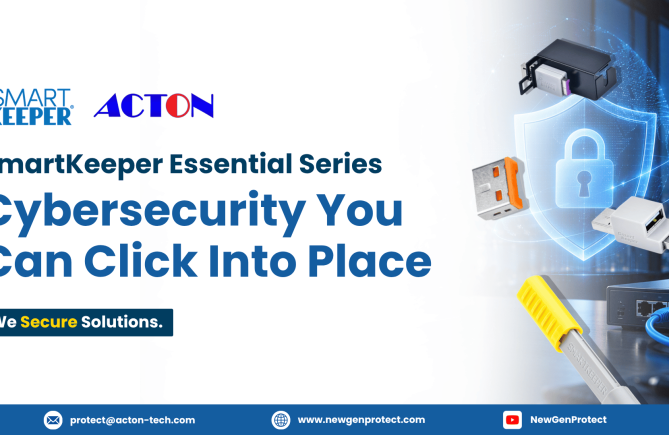
In the world of cyber security, physical protection is just as crucial as digital safeguards. That’s where Smartkeeper comes in, offering a range of port locks to keep your hardware secure. These nifty devices are like tiny bodyguards for your computer’s vulnerable entry points.
Ever worried about someone plugging in a malicious USB drive when you’re not looking? Smartkeeper’s USB port locks have got you covered. They physically block unauthorized access, ensuring only you can use those ports.
Smartkeeper also offers locks for network ports, preventing unauthorized network connections.
What’s great about Smartkeeper is the variety of options they provide. Whether you need to secure a single port or an entire server rack, there’s likely a solution that fits your needs.
Remember, in today’s digital landscape, every entry point matters. By using Smartkeeper’s port locks, you’re adding a tangible, visible deterrent to potential security breaches.
In Singapore, In Malaysia, In Philippines, In Vietnam
Join our mailing list to receive the latest news and updates from our team.

One comment on “Data Breach Risks: Lessons from the Jollibee Data Breach”
Hurrah! At last I got a web site from where I know how to in fact get
valuable data concerning my study and knowledge.