HomeCybersecurity Cybersecurity Hospital Data Breach from St. Luke Medical Center
What St. Luke Medical Center Reveal About Hospital Data Breach
(Hospital Data Breach)
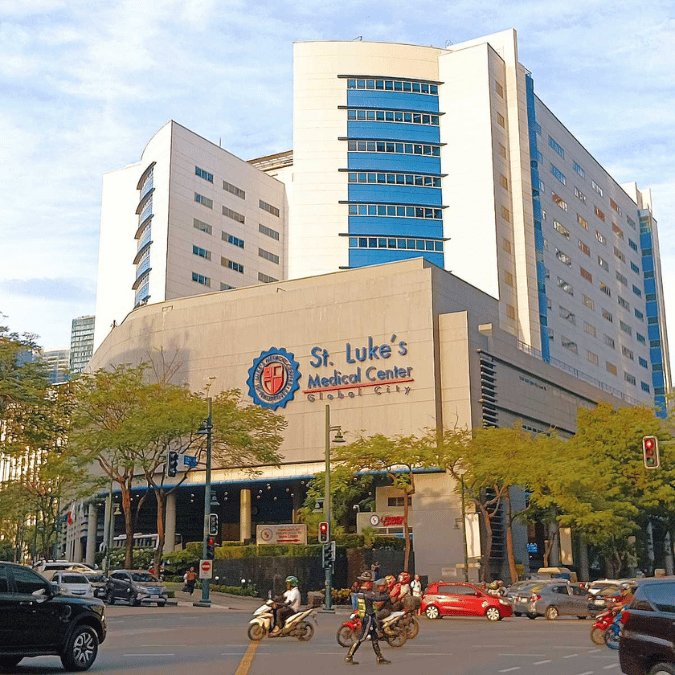
When you go to a hospital, you hand over more than your symptoms. You share your personal details, and sometimes your entire medical history. You trust that the hospital will keep it safe. That trust was tested in late October 2026, when St. Luke’s Medical Center, one of the Philippines’ most respected hospital groups, reported a data breach to the National Privacy Commission (NPC).One clear lesson: patient data is a prime target, and every unprotected entry point in a hospital is a risk. Discover why physical port security deserves a place in every hospital’s defense.
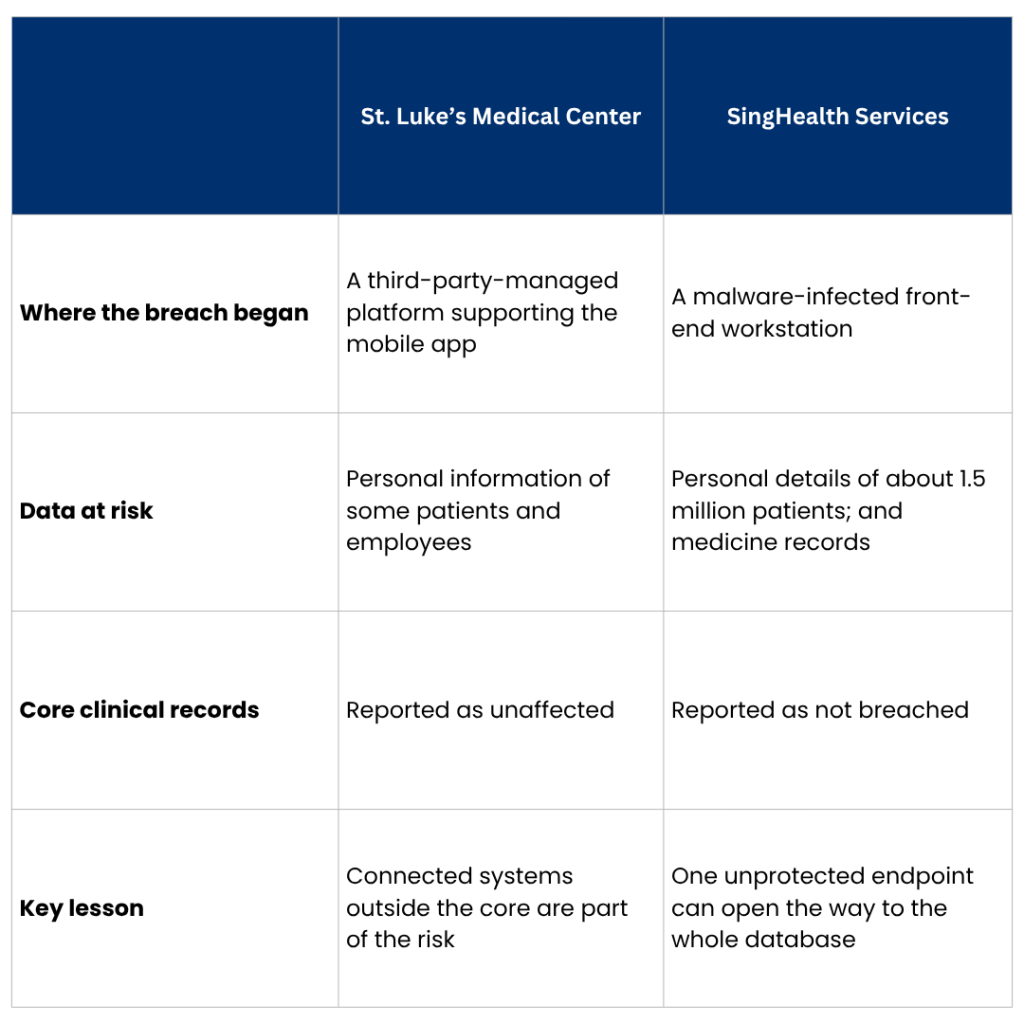
St. Luke’s, which runs hospitals in Quezon City and Global City, Taguig in Philippines, detected unauthorized access to a platform supporting its eHealth Hub mobile app on October 29, 2026. That platform is managed by a third-party service provider. The hospital took the app offline, isolated and secured the platform, and brought in independent cybersecurity experts to investigate. It was not disclosed by the hospital or the NPC on how many patients and employees got affected during the incident.
The NPC confirmed it received the hospital’s breach notification on October 30, 2026 and is reviewing it. Under the Data Privacy Act, organizations must notify the NPC and affected individuals within 72 hours of learning about a personal data breach.
The Main Problem: A Gap Outside the Core System
The concern is where the breach happened; it was not inside the hospital’s main system, but on a connected platform run by an outside provider. This is the cybersecurity issue every hospital should pay attention to. A hospital’s security is only as strong as its weakest connected point. That includes apps, workstations, and every device that touches patient data.
Why This Matters to Patients and the Hospital?
Exposed data can fuel scams. St. Luke’s warned the public to watch out for messages asking for personal information, noting it won’t contact anyone to request such details.
Uncertainty hurts trust. When the number of affected people and the type of data still unknown, patients and staff are left worried.
Third-party links widen the risk. Every system connected to a hospital becomes part of its attack surface.
St. Luke Medical Center is not the first major hospital in the region has faced a hospital data breach. In 2018, a cybersecurity incident at Singapore’s largest public healthcare group, SingHealth, suffered what officials called the country’s worst cyberattack.
Between June 27 and July 4, 2018, attackers broke into SingHealth’s IT systems. SingHealth is covering institutions such as Singapore General Hospital and Changi General Hospital.
The attackers copied the personal details of about 1.5 million patients, including names, NRIC numbers, addresses, gender, race, and dates of birth. Outpatient medicine records of about 160,000 patients were also taken, and Prime Minister Lee Hsien Loong’s data was specifically and repeatedly targeted.
Hospitals run 24/7, which leaves little downtime for IT fixes. Security that relies only on patching will always have gaps.
How it Started: One Workstation
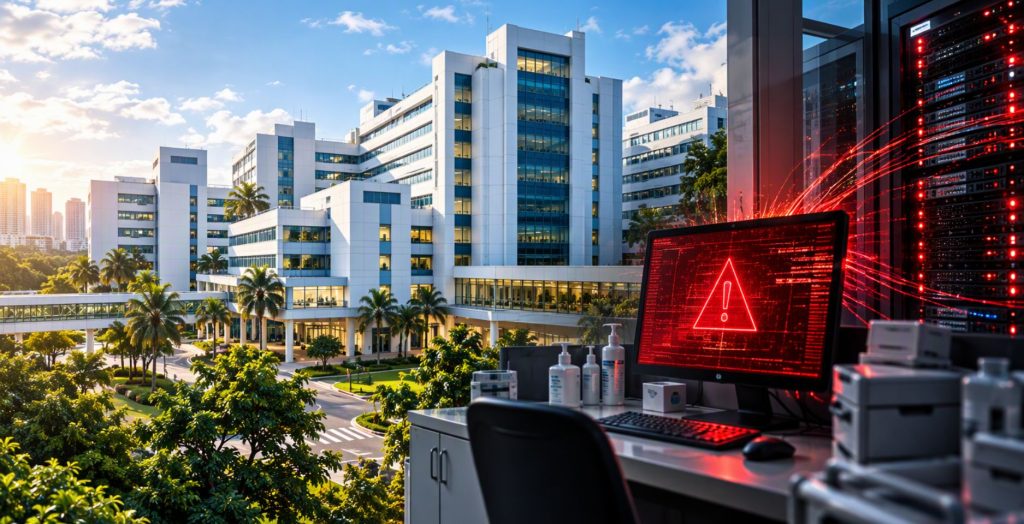
Initial investigations showed that attackers got in through a single malware-infected workstation and reached the patient database from there. Singapore’s Committee of Inquiry found that staff fell for phishing, admin passwords were weak, and known weaknesses went unfixed. It concluded the data theft was not inevitable, and it pushed for a layered, defence-in-depth approach.
The Overlooked Layer: Physical Port
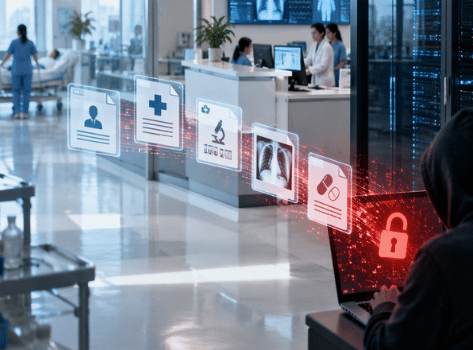
Most hospitals invest in firewalls, antivirus, and app security, and they should. But software cannot stop someone from walking up to an unattended workstation and plugging in a USB drive, or unplugging a network cable and connecting their own device.
The SingHealth case showed how much damage can start from one compromised workstation. Locking down the physical access points on those workstations removes an easy way in, and it works without updates, passwords, or downtime.
The Bottom Line:Software protects the network. Physical port security protects the doorway. Hospitals need both.
The St. Luke’s incident shows that a breach can start outside a hospital’s core system. SingHealth shows that a single workstation can be enough to reach patient data.
Hospitals can’t control every connected platform, but they can lock down the physical entry points they own. SmartKeeper adds that missing layer:
A hospital’s patient data is only as safe as the workstations and ports that connect to it, which is why protection must start at the hardware level, not just in software. As an authorized distributor, NewGenProtect delivers genuine SmartKeeper, X-PHY, and Flexxon solutions, backed by expert deployment guidance and local support across Southeast Asia. This physical-first approach blocks unauthorized access, guards sensitive patient data, and closes the gaps software alone can’t reach, so every workstation stays protected, whether it’s at the nurse station, the admitting counter, or the records room. With NewGenProtect, your hospital’s security stays authentic, dependable, and built to last.
Not directly. St. Luke’s was breached through a third-party app platform. SmartKeeper protects a different entry point: physical access to workstations and network ports. That way, one incident doesn’t lead to more openings inside the hospital.