HomeCybersecurity The Market Trend of Physical Cybersecurity in Southeast Asia
Physical Cybersecurity in Southeast Asia: The Gap Software Can't Close
(Physical Cybersecurity Market Trend in Southeast Asia)
Firewalls, antivirus, and cloud security get the budget. But every device also has a USB port, a LAN jack, and a person sitting next to it. Southeast Asia’s cybersecurity market is projected to keep growing, and regulators now expect physical safeguards alongside technical ones. Discover the trends shaping physical cybersecurity in the region, and where you can act first.
Physical cybersecurity protects the hardware doorways to your data. It works alongside software defenses, not instead of them.
In practice, it covers four things for an organization’s physical cybersecurity:
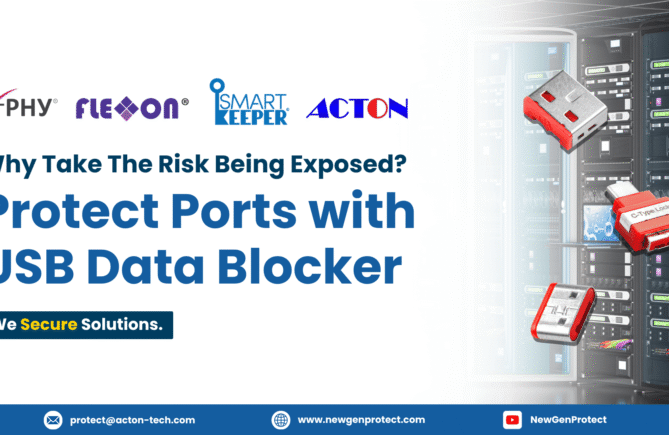
Ports. USB and network (RJ45) ports that anyone could plug into.
Cables. LAN and USB cables that could be unplugged or swapped.
Devices. Desktops and laptops that could be tampered with or stolen.
Peripherals and access. Keyboards, mice, and exclusive keys to control what is to unlock.
If someone can plug into it, unplug it, or walk away with it, it belongs in your physical cybersecurity plan.
Market Trends about Physical Cybersecurity in Southeast Asia
Budgets Are Growing on Both Sides of the Door
Money flows into cyber and physical protection at the same time:
Asia-Pacific physical security. Projected to grow from USD 42.25 billion in 2025 to USD 59.54 billion in 2030, a 7.1% CAGR.
Southeast Asia security. The region’s overall security market, which covers physical, financial, and digital security, is projected to grow from USD 6,365.2 million in 2025 to USD 18,237.0 million by 2034, a 12.41% CAGR for 2026 to 2034.
ASEAN cybersecurity. Valued at USD 5.51 billion in 2025 and projected to reach USD 14.1 billion by 2031, a 16.95% CAGR for 2026 to 2031.
In 2024, the most frequently attacked Southeast Asian countries were Thailand (27%), Vietnam (21%), and Singapore (20%), and the most targeted sectors were industrial (20%), government (19%), and financial (13%).
Cybercrime is a large share of crime.
Across Asia and the South Pacific, including SEA, cybercrime accounts for over 30% of all recorded crime in more than half of the countries INTERPOL surveyed, and the region logged over 135,000 ransomware-related attacks in 2024.
Organizations feel the pressure.
ASEAN organizations named phishing (42.9%), malware and ransomware (37.0%), and a shortage of cybersecurity talent (37.0%) among their top concerns.
Data Breaches cost more.
The average data breach cost in Southeast Asia reached a record USD 4.12 million in 2026, up 12% from USD 3.67 million in 2025, with financial services the highest at USD 6.53 million.
The Infrastructure Boom Adds Ports Faster Than Policies
Data centers get the headlines, but the same pattern shows up in every new office, lab, and branch:
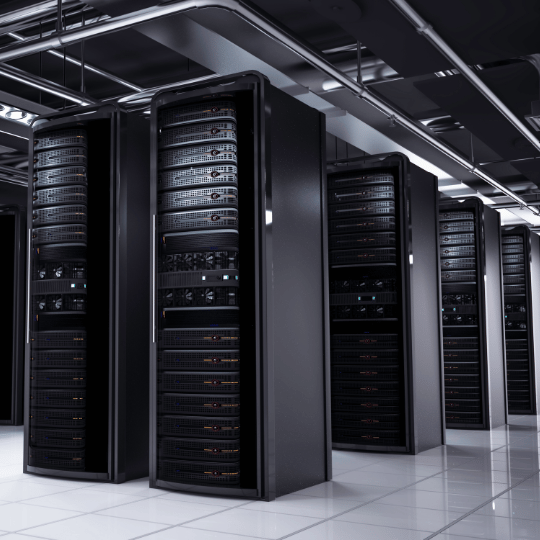
More facilities. Southeast Asia now hosts more than 2,000 data centres, with hundreds more under construction.
More investment. Regional data center investment is projected to grow from USD 15.72 billion in 2025 to USD 35.08 billion by 2031.
More physical security. Asia-Pacific data center physical security is projected to grow from USD 0.61 billion in 2025 to USD 1.19 billion by 2030, with cabinet locking named as a layer that addresses insider threats such as malicious employees.
More racks, more patch panels, and more people with access all mean more ports to account for.
Insiders and Everyday Mistakes Are the Quiet Risk
Not every incident is an attack from outside:
Insider data loss is common. In a global survey of 883 IT and security professionals, 77% of organizations reported insider-driven data loss in the past 18 months.
Most of it is accidental. 62% of incidents involved negligent or compromised users, and only 16% involved confirmed malicious intent.
Smaller teams are in the frame. By enterprise size, SMEs record the fastest growth in ASEAN cybersecurity, at an 18.55% CAGR through 2031, and in Singapore, SMEs in professional services were disproportionately targeted by ransomware.
A shared workstation with open ports is a risk whether the person at the keyboard means harm or not.
Every Trend Ends at the Same Place: The Port
Budgets, regulation, new facilities, USB threats, and insider risk all meet at one spot: the physical connection on a device. Software cannot physically stop a device from being plugged in. That is the gap SmartKeeper was built to close.
SmartKeeper: Physical Cybersecurity You Can Hold in Your Hand
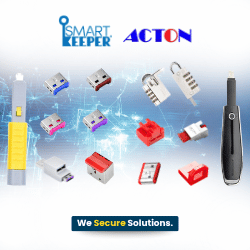
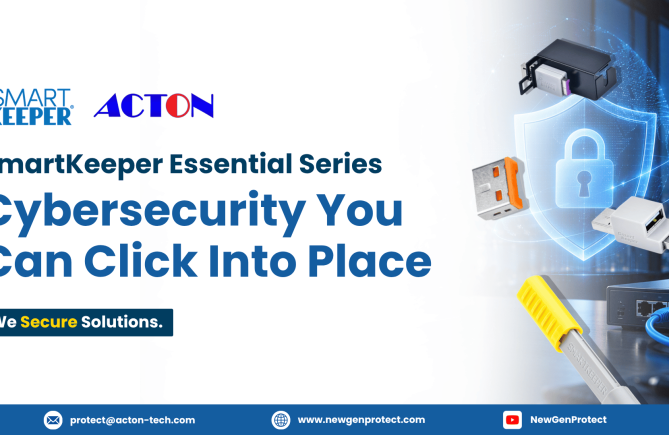
SmartKeeper is a line of hardware locks that seal ports, secure cables, and tether devices.
As Southeast Asia’s cybersecurity market grows, the market trend is moving toward the physical layer: protection must start at the hardware level, not just the network. As an authorized distributor, NewGenProtect delivers genuine SmartKeeper, X-PHY, and Flexxon solutions, backed by expert deployment guidance and local support across Southeast Asia. This physical-first approach blocks unauthorized access, guards sensitive data, and closes the gaps software alone can’t reach, from every USB and network port to the data stored behind them. With NewGenProtect, physical cybersecurity in Southeast Asia stays authentic, dependable, and built to last.
No, they work best together. Software cannot physically stop a device from being plugged in. Physical locks add a hardware layer that works alongside your existing security tools.
SmartKeeper is a line of hardware locks that seal USB and network ports, secure cables, and tether devices. It needs no software and no power. Each lock opens only with its matching colored key, so teams can standardize and audit physical access.